


Miniature Paintings
Miniature painting, true to its name, is known for its small size and meticulous detail, often created with fine brushes and vibrant colors. While it originated in various parts of the world, miniature painting is especially associated with South Asia, Persia, and Europe, each developing distinct traditions. Artists use fine brushes and precise techniques to create vibrant scenes filled with tiny figures, intricate patterns, and rich colors. Traditionally, these paintings were done on materials like parchment, paper, wood, ivory, or textiles, using natural pigments like Lapis Lazuli, Malachite, Cinnabar, Gold mixed with binders such as egg yolk or gum arabic. They often depicted everyday life, courtly events, religious themes, historical moments, and portraits of rulers.
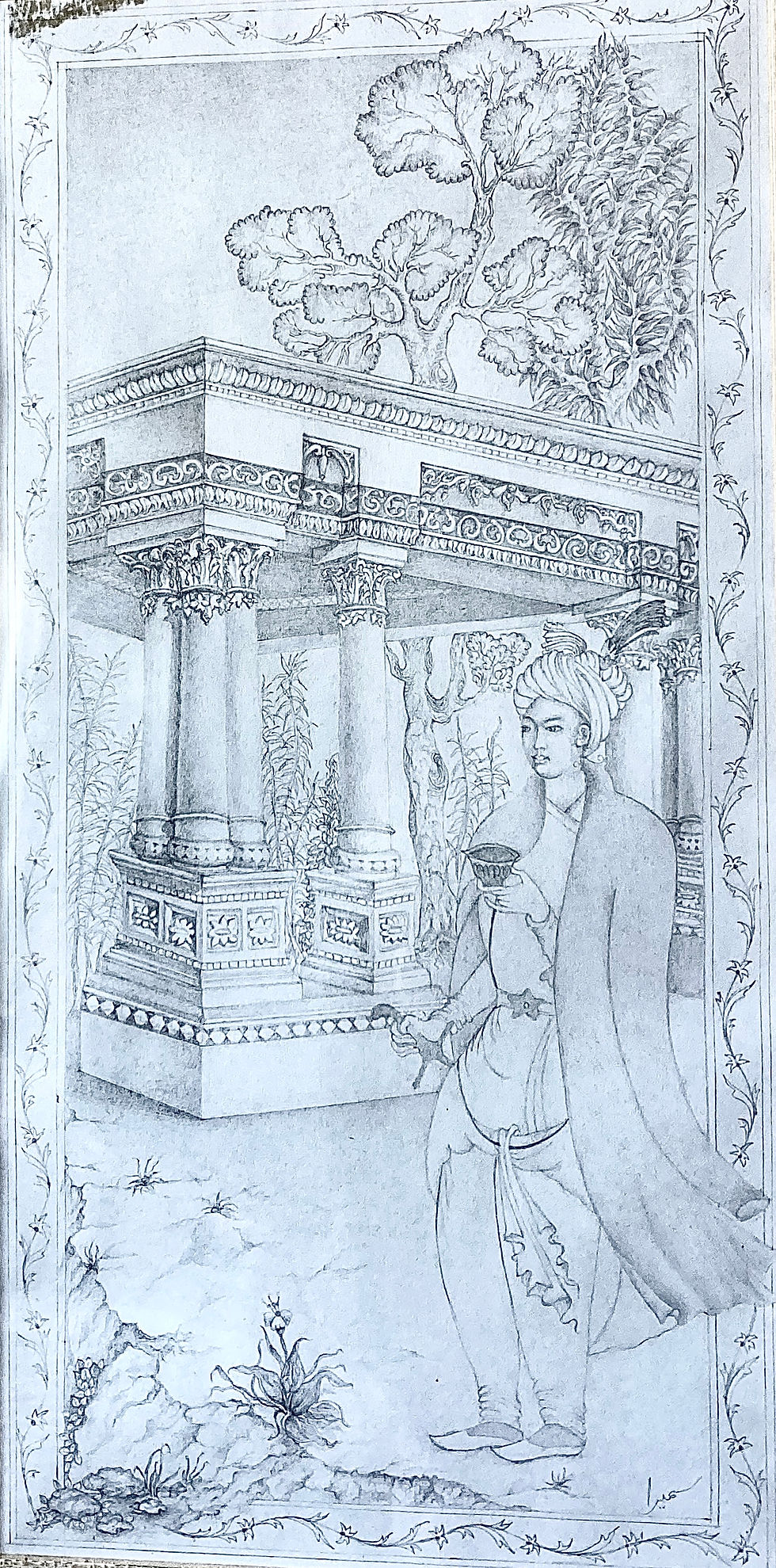
During my MFA, I was drawn to Persian and Mughal miniature painting styles, captivated by their rich history, intricate techniques, and artistic precision in cultural storytelling. Persian miniatures, which originated in the 13th and 14th centuries and flourished during the Safavid period (16th century), often depicted scenes from Persian literature like the Shahnameh (Book of Kings), as well as royal life, battles, and court affairs. These works emphasized symbolism and allegory, featuring intricate gold leaf, vibrant colors, and detailed representations of
landscapes, animals, and courtly figures.
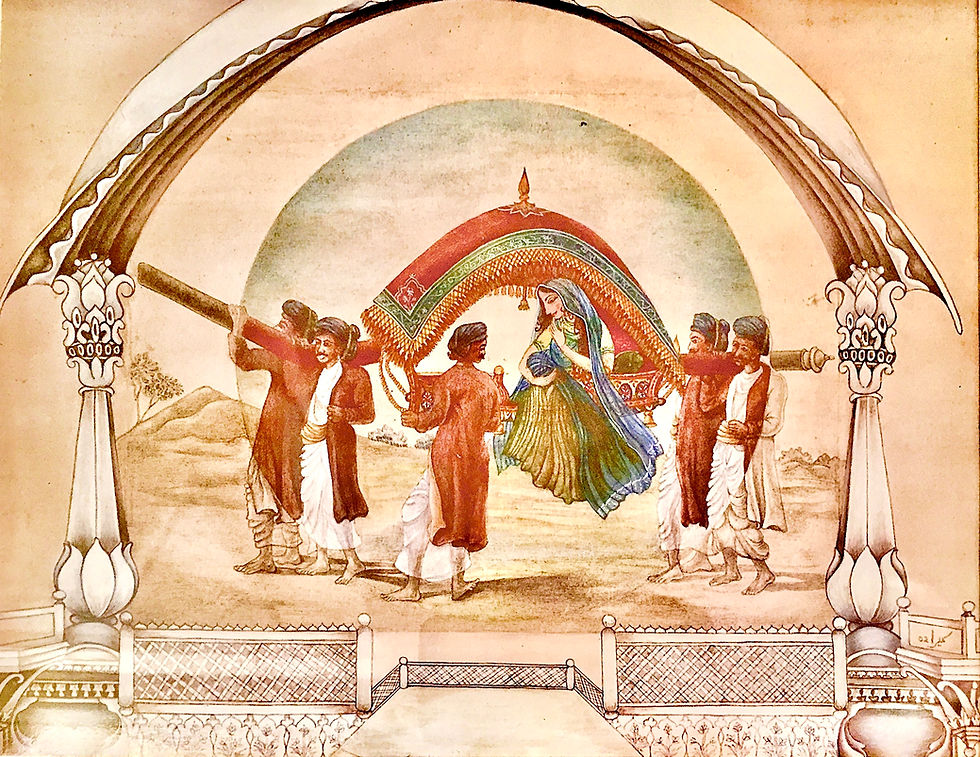
Mughal miniatures emerged in the 16th century during Emperor Akbar's reign. While influenced by Persian miniatures, they evolved into a distinct style incorporating both Persian and indigenous Indian elements. Mughal miniatures are known for their use of perspective, realistic depictions of human figures, and intricate background details. Common themes include royal portraits, court scenes, hunting expeditions, military battles, religious subjects, and daily life. The evolution of miniature painting across cultures underscores the exchange of artistic styles
and ideas between East and West.
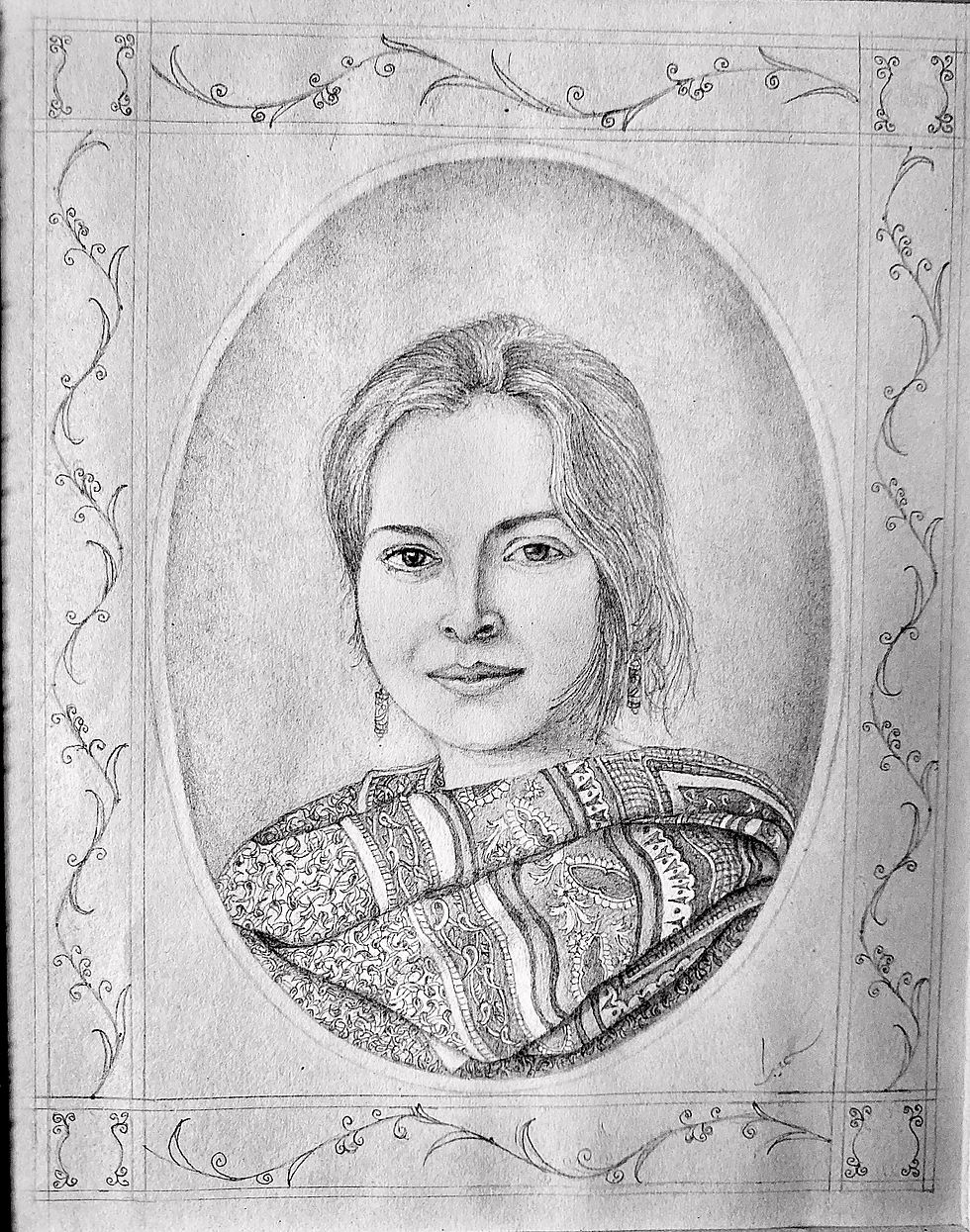
As I mastered traditional miniature painting techniques during my MFA, I sought to express my personal narrative in a way that resonated with both my heart and soul. I began to appreciate how these traditions reflect power, culture, and identity, and I was inspired by their ability to transform even the smallest details into profound visual stories. This connection to their techniques and themes has since become a central influence in my work, leading me to explore the Neo-Miniature painting style. This style became the language through which I successfully conveyed the story for my thesis show, featuring series of five paintings in Neo-Miniature style. It earned me a roll of honor, marking a significant achievement in blending traditional techniques with contemporary symbolism and personal expression.
Neo-miniature painting is built on historical traditions while incorporating contemporary ideas and mediums. Artists in this movement honor the craftsmanship of the past while expanding the scope of miniature painting to explore new themes and concepts to evolve as a dynamic genre in contemporary art.

Watercolor on tea-stained hand-prepared wasli paper with Abri (Ebru) border 10.5 x 13.5" Enquire
Private Collection
Private Collection
Watercolor and gouache on tea-stained hand-prepared wasli paper 8.5x 6.5" Sold

Study painting during MFA. Watercolors on hand-prepared wasli paper 10x8" Sold
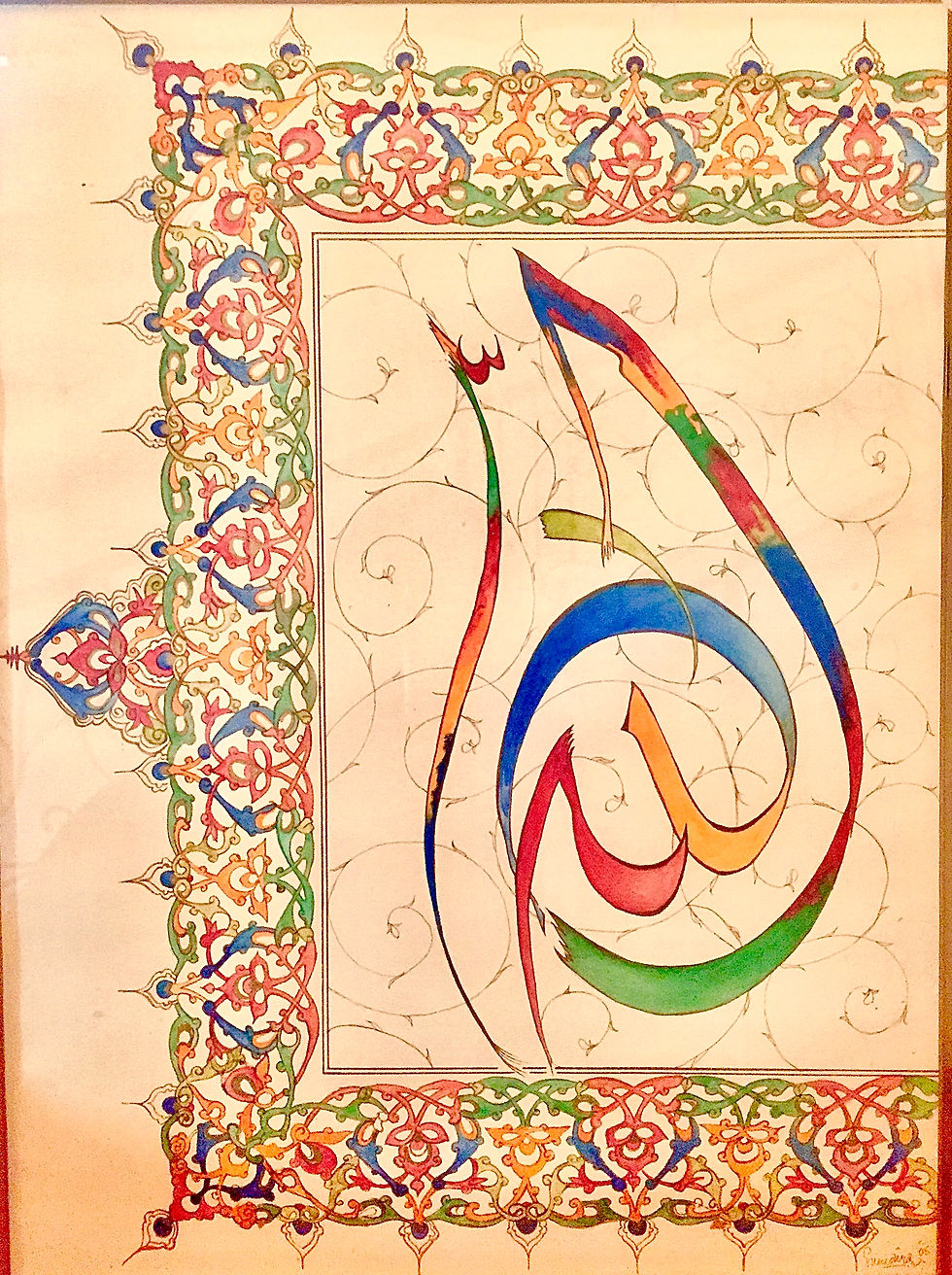
Watercolors on tea-stained paper 10x8.5" Private Collection
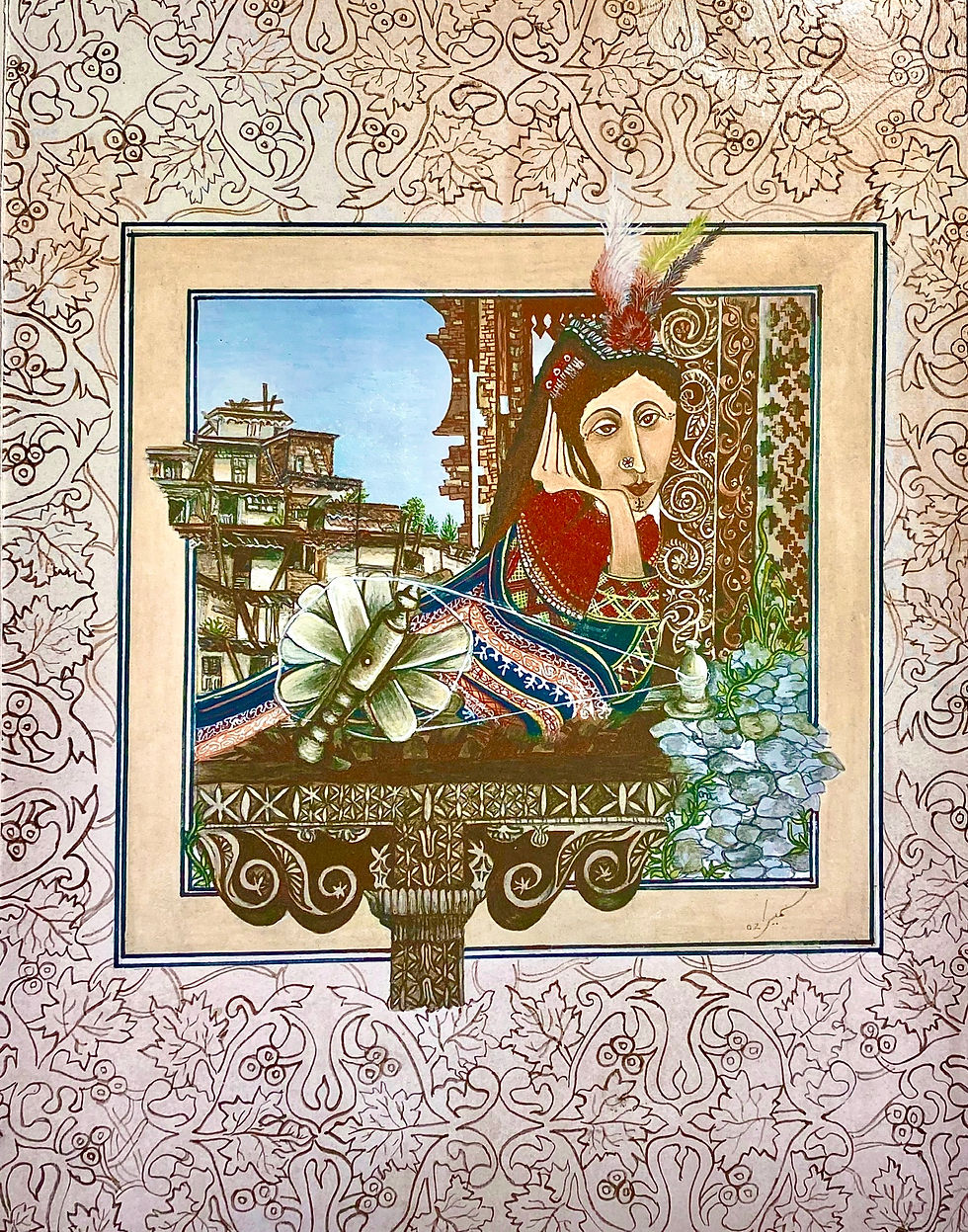
Gouache on hand-prepared wasli paper 6.75x11.5" Sold

Gouache and tea stain on hand-prepared wasli paper 9x11" Sold
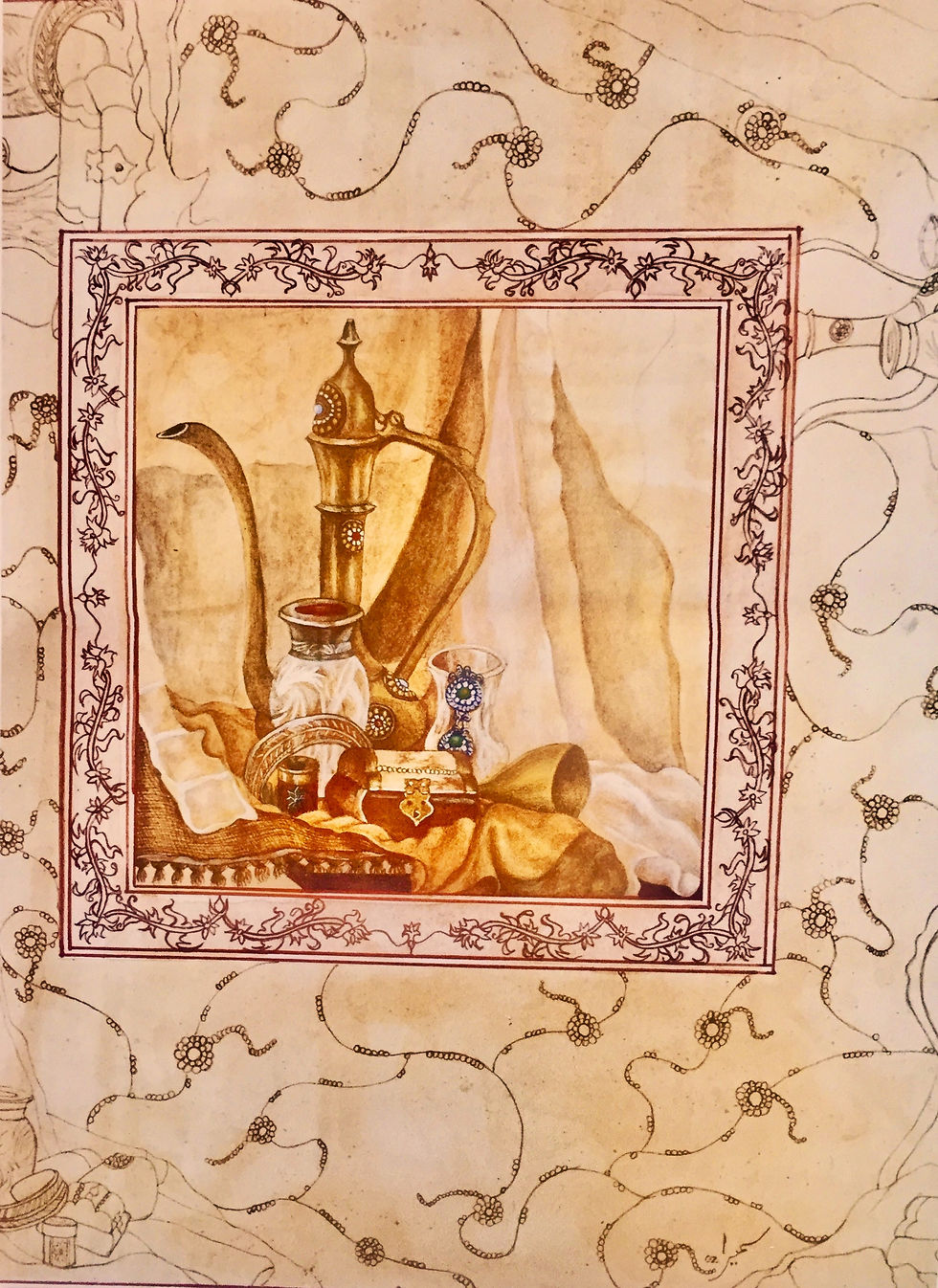
Watercolors and gouache on hand-prepared wasli paper 5-75X10.5" Sold
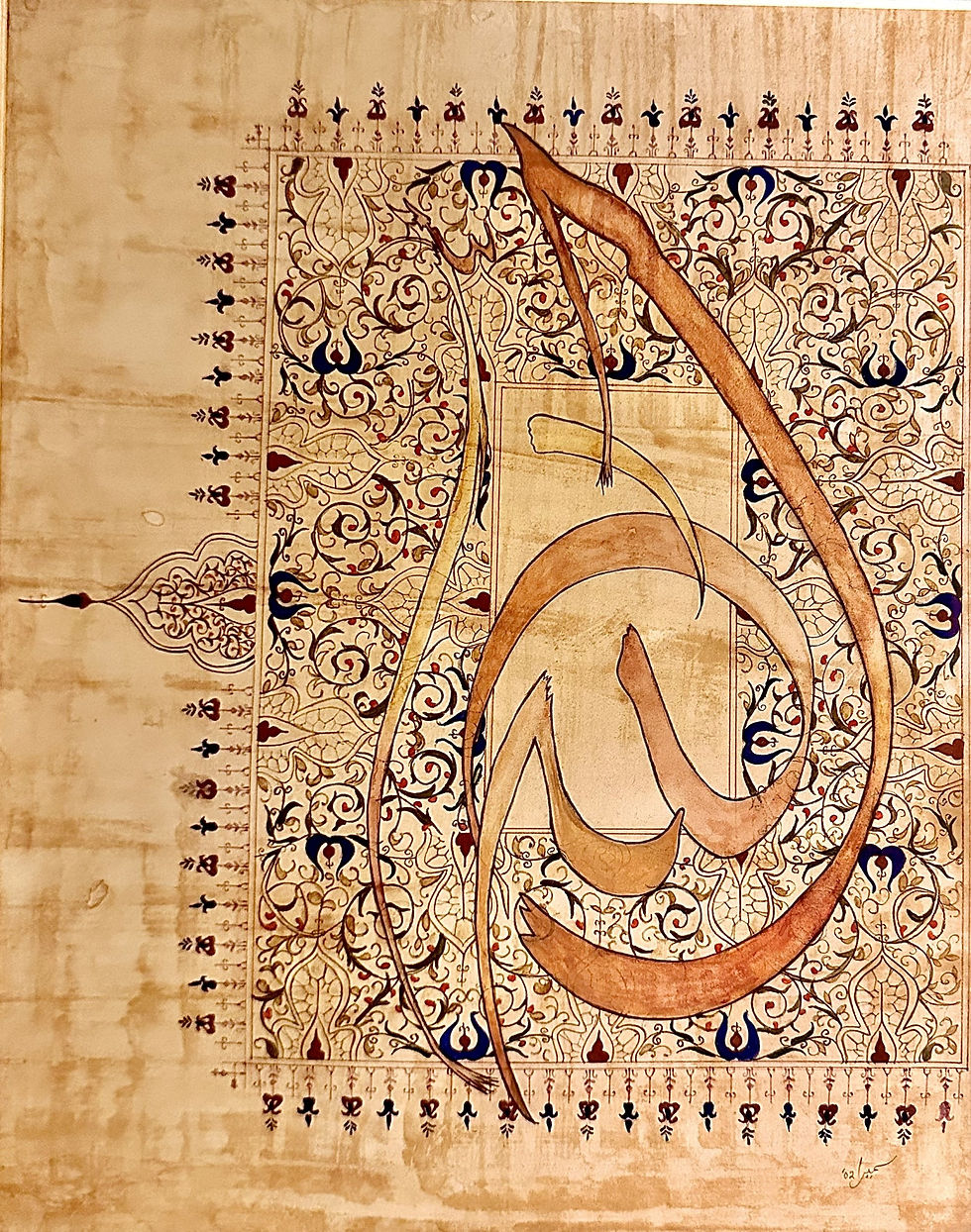
Watercolors on tea-stained hand-prepared wasli paper 8,75X11.5" Sold
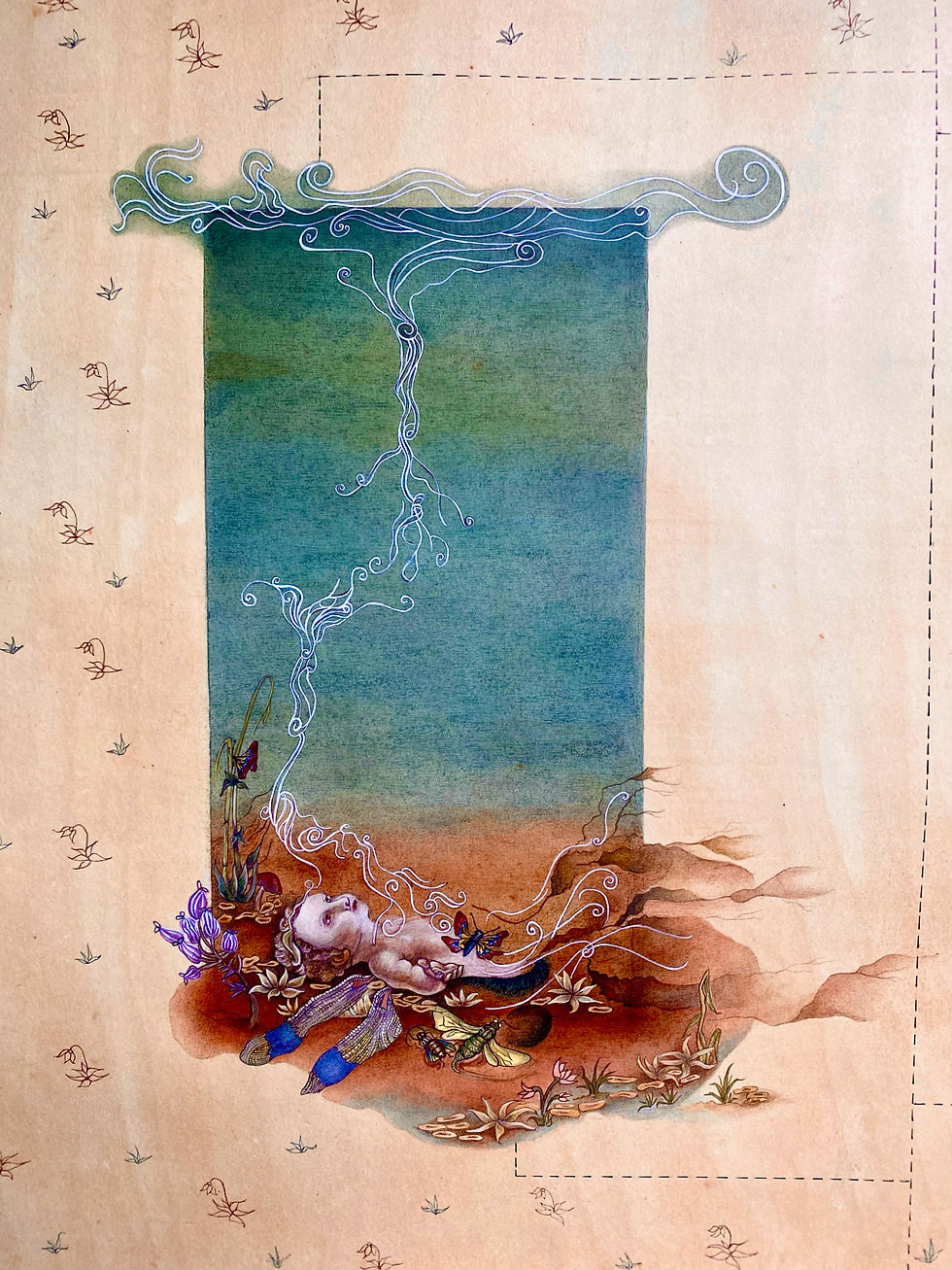
MFA Miniature painting - Thesis work. Tea wash & gouache on hand-prepared wasli paper 10x12.5" Enquire
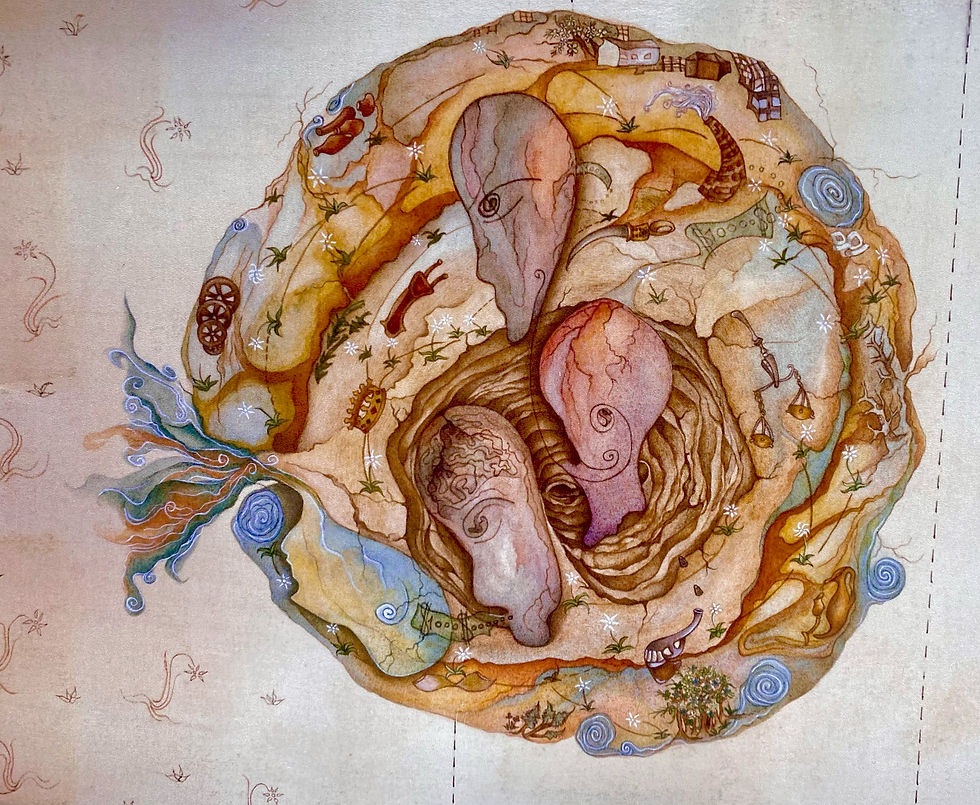
MFA Miniature painting - Thesis work. Tea wash & gouache on hand-prepared wasli paper 10x12.5" Sold

MFA Miniature painting - Thesis work. Tea wash & gouache on hand-prepared wasli paper 10x12.5" Sold
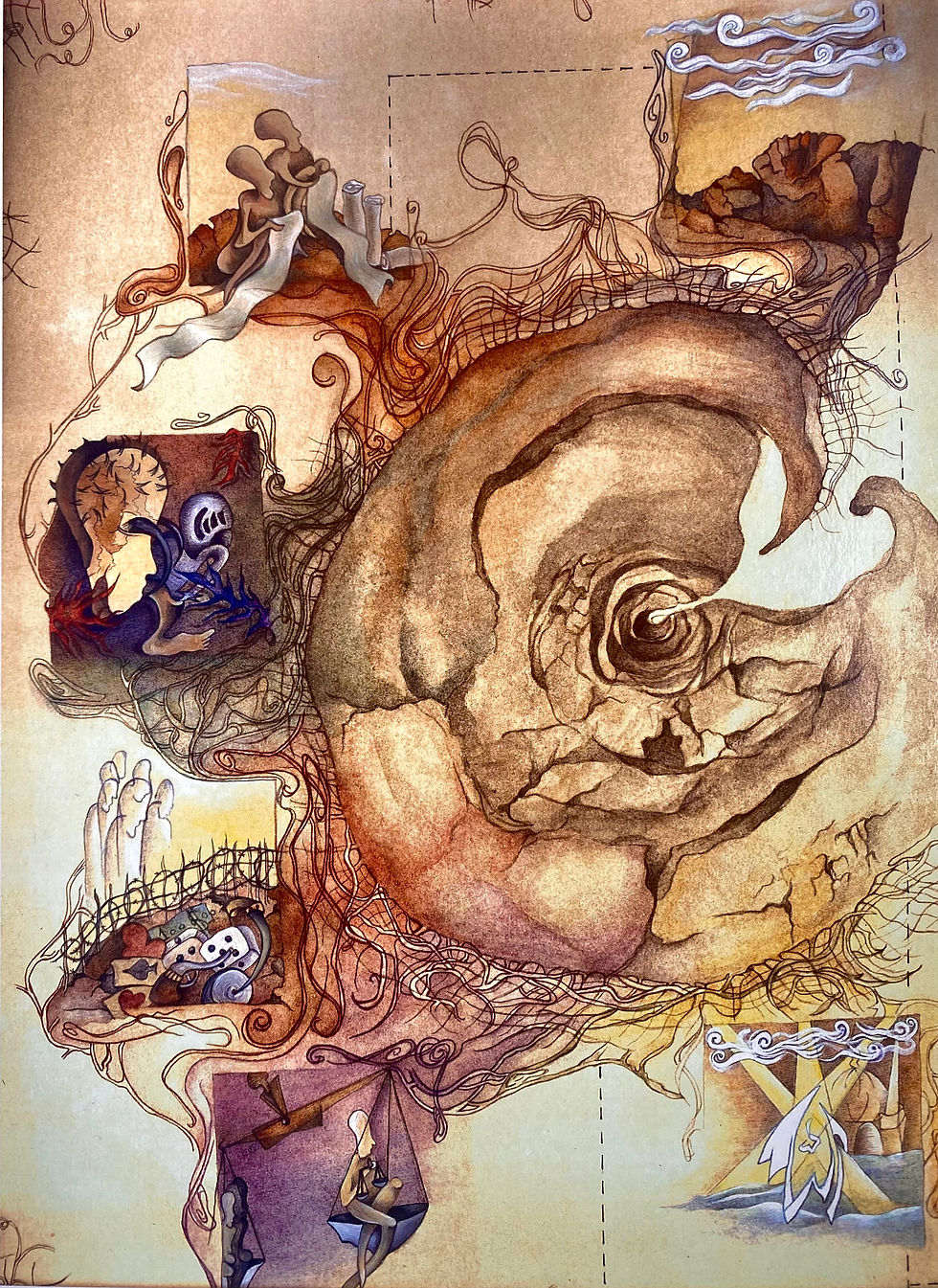
MFA Miniature painting - Thesis work. Tea wash & gouache on hand-prepared wasli paper 10x12.5" Sold
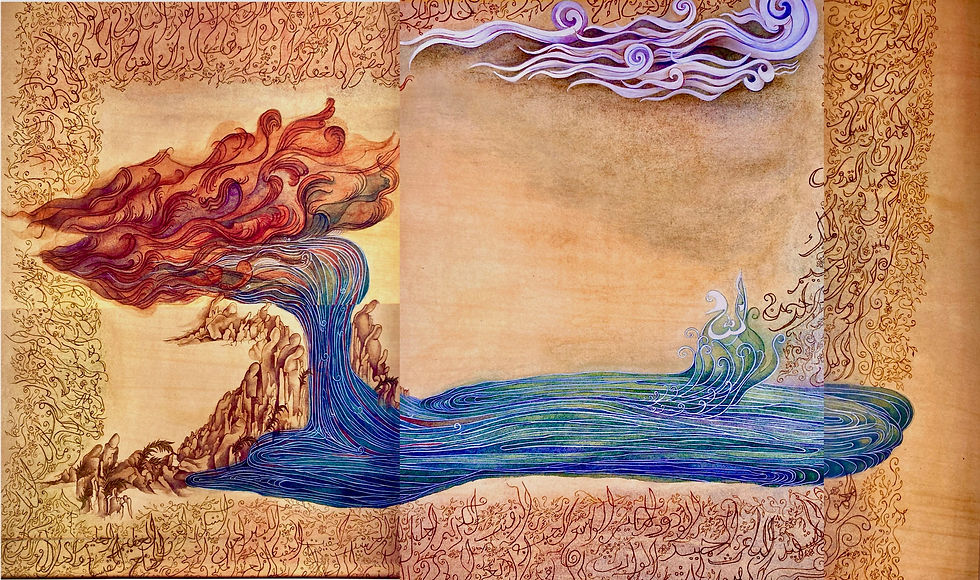
MFA Miniature painting - Thesis work. Tea wash & gouache on hand-prepared wasli paper 10x12.5" Sold